
Jazz & Blues Album Cover Art Designs
Introduce sophistication to your acoustic releases with our jazz album cover art collection. Capturing the golden age of Blue Note records alongside modern contemporary designs, these templates utilize moody, high-contrast photography, minimalist typography, and abstract geometry. Perfect for Bebop quartets, Electric Blues virtuosos, and boundary-pushing Jazz Fusion projects, these designs respect the deep history of the genre while ensuring viability on modern streaming platforms. Give your complex chord changes and soulful solos a premium, classic wrapping that signals elite musicianship.












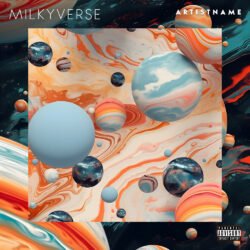
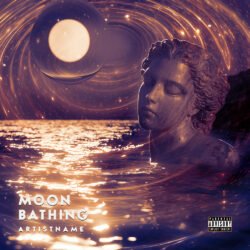
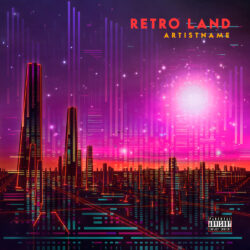




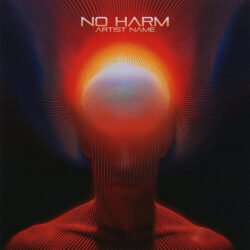
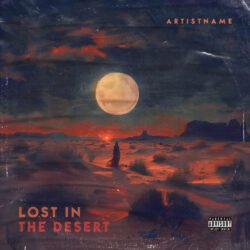
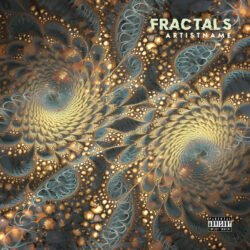
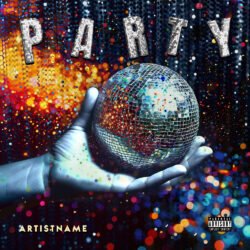
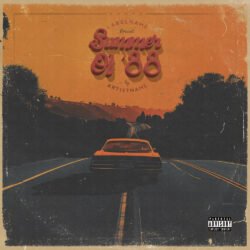
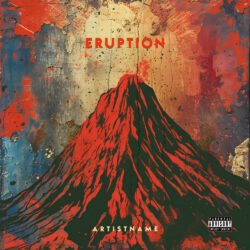
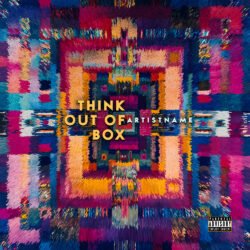
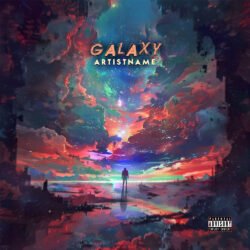



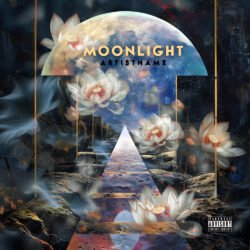
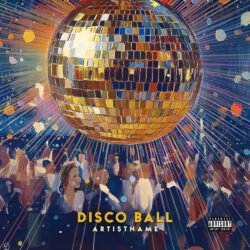
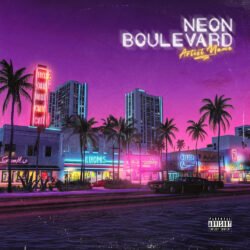
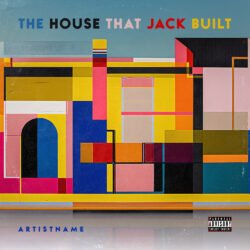

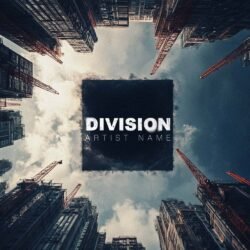
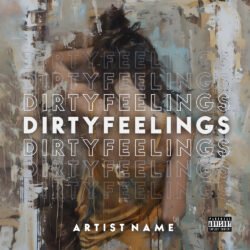
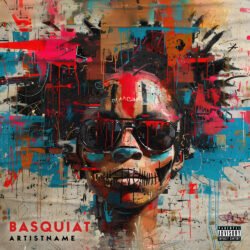
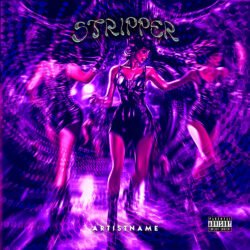


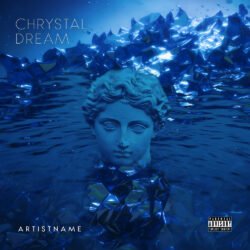

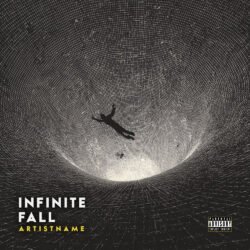

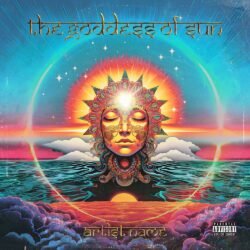
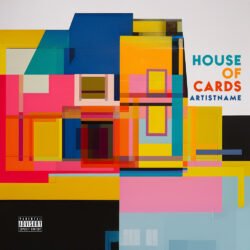

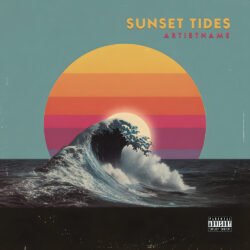
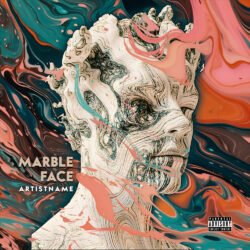
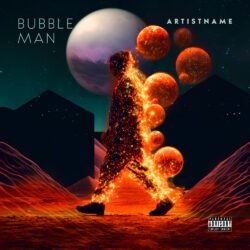
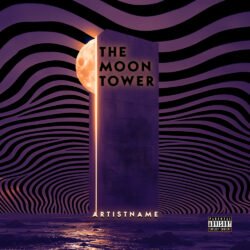


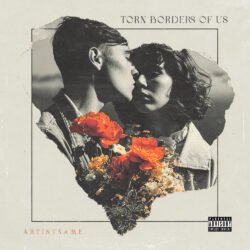

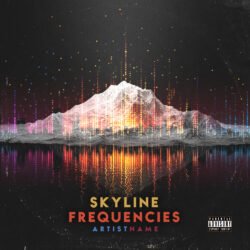
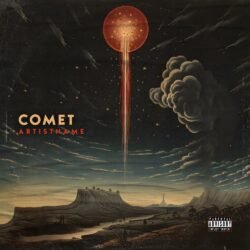
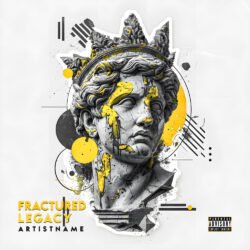
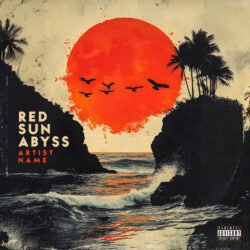
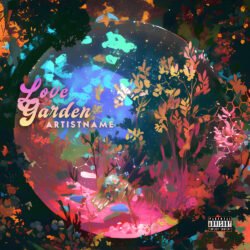
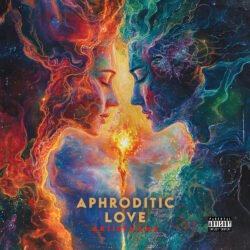

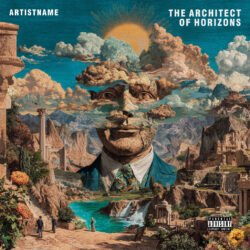

Download exclusive premade Blues music & Jazz music album cover designs and digital artworks for sale created by artists, for artists.
Can’t discover your artwork? We’ve got you covered! Buy cover artwork's job is to curate a collection of unique exclusive licenses download premade artworks for sale, also provide design services for artists, musicians, bands, singers, vocalists, DJs, producers, record labels, authors, content creators, distributors, and publishers with the collaboration of top artists, designers, and makers that would elevate music into visual imagery.
Covering every genre, from Classic jazz and Modern jazz to Post-jazz and Folk blues, Country blues, and Soul Blues to Trance blues. Grab your favorite Artworks (illustrations, images, photos, collages, and graphic arts) and use them for Albums, Singles, EPs, Posters, Merchandise and more on Distrokid, Spotify, Apple Music, Bandcamp, Soundcloud, Tidal, Deezer, and other Streaming, Publishing, and Printing Services. You also can turn them into a short looping animation and use it for streaming services like Spotify videos or YouTube and other social media like Instagram stories or TikTok.
A Dive Into Jazz Music
Classic Jazz
New orleans jazz
Dixieland jazz
Chicago jazz
Swing / Big Band
Progressive Jazz
Third Stream
Modal jazz
Modal jazz
Modern jazz
Bebop
Cool jazz
West coast jazz
Hard bop
Soul jazz
Jazz Funk
Free jazz
Avant-Garde jazz
Post-jazz
Fusion
Jazz rock
Smooth jazz
Acid jazz
Jazzdance
Nu jazz
Electro jazz
Nordic jazz
Electro swing
Jazz is music performed by an ensemble of players, each (very) specialized and proficient in their respective instrument. The usual Jazz instruments are: trumpets, saxophones, clarinets, trombones, string-bass, and piano alongside drums and a jazz-guitar. The interaction between these players is crucial. Compared to Rock or Blues, Jazz musicians follow no completely predetermined scores. They have to “feel” what the others are about to play and how the music will evolve. Yes, there are chords and melodies forming an identifiable foundation for each song, but improvisation and instantaneous experimentation are never absent. In a way, true Jazz music can only be experienced live. Each performance is supposed to be different. Jazz therefore is part of a thriving nightlife subculture in (Jazz) bars all over the world. The difficult aspect of improvisation probably explains why Jazz of all the super-genres is the most (if not always) instrumental, experiments the least with sound effects and plays more with structure, patterns and rhythms, reminding us a lot of Classical Music.
Jazz provides an interesting combination of (lower class) African American folk music with (upper class) European amusement and classical music. As such, Jazz has never been as racially defined as Blues is and is undoubtedly laudable for bonding these subcultures. Jazz ensembles are divided in different sections: the rhythm section (bass, drums, and piano) provide a steady beat throughout the track, while the melody section (horns) plays the chorus altogether and afterwards separately with solo’s.
The precise origin of the word Jazz has been lost over the course of time. Three possible explanations exist, though none of them might actually be the truth. One suggests that the word is black slang for the ensemble. Another hypotheses tells us that its roots lie in an early Jazz band named “Razz” or an early musician named “Jazbo”. Or the name might also be slang for “Jasmine”, the most common perfume for prostitutes working in early twentieth century brothels (where Ragtime and Jazz developed).
The power of Jazz lies in its rich contrast: improvised versus predetermination, chaos versus control and light and gentle sounds versus sharp and shrill tones. Jazz is also unique in influencing many genres in a subtle manner. Although there are no immediate derivative genres coming from Jazz, countless ones have been influenced by it. Its unique concepts and instrumentation are versatile enough to transfer to the most diametrical of popular music genres.
Over the course of history, there have been attempts to divide Jazz into a small number of categories, which could have been super-genres in their own right. Names such as “Traditional or Post-Jazz”, “First, Second and Third Stream (Jazz)” have been viable options at one time or another, but hold barely any relevance in today’s styles of Jazz. One possible way to structure this whole is by using two pivotal moments - the birth of Bebop and Fusion - to divide the whole into three time periods: Classic Jazz, Modern Jazz and Post-Jazz (aka Post-Fusion or Free-Bop).
In the mid-seventies Jazz gets strongly repressed and overshadowed by R&B. Many American Jazz musicians migrate to Europe, where funded Jazz festivals and Jazz bars in historical city centres thrive better than in the States (particularly in Scandinavia and Eastern Europe). Currently, American Jazz education is on the rise, but general public interest has stayed off. Post-Jazz has therefore become a global and heavily dispersed phenomenon of a genre that once was the sound of a nation.
A Dive Into Blues Music
Folk Blues
Country Blues
Classic Blues
Piano Blues
Boogie Woogie
Texas Blues
Jump Blues
Chicago Blues
City Blues
Urban Blues
West Coast Blues
Swamp Blues
Louisiana Blues
British Blues
Blues Rock
Texas Blues Rock
Modern Electric Blues
Soul Blues
Hill Country Blues
Trance Blues
Blues is almost as old as popular music itself. Its rich history streams through various genres, just like the Mississippi river carried musicians from Minneapolis to southern New Orleans. At first, Blues was dominantly associated with anything vice; it was regarded as the song of outlaws and criminals. But Blues must rather be seen as an outlet or cry for the people on the border of society: the poor, blind, unfortunate and particularly, the black. Blues before R&B was regrettably known as “race music”. Blues wins-over hearts because that’s where it comes from. It is sincere, but also blunt. No roses without thorns.
Early Jazz and Ragtime were bound to the city as they needed bars and other band members to thrive. They also usually needed large instruments like string bass or piano. These genres were more formal types of music, performed in a professional manner and requiring an audience. Blues was none of this. Blues musicians could travel and play anywhere with or without anyone. They were (and often still are) lone wolves in pursuit of happiness. However, happiness didn’t always come along that easily. If their music didn’t catch on, they tried their luck with gambling and often ended up losing everything. Many Blues artists tried their luck in the city, though it required a certain resourcefulness to keep heads above water here. Rent parties, thrown by migrating Blues and Jazz artists alike in order to pay the rent, helped spread Blues rapidly across many US cities.
Blues music (also known as Blue Music) is characterized by use of guitar, single at first and later complemented by drums and bass. Songs are written in an AAB rhyme, in harmonic sequences and onto a 12 bar 4/4 rhythm. Most recognizable about Blues is a progression of chords, in a call and response manner. Chords also make use of blue notes: notes with an altered pitch. This gives Blues a typical melancholic, mournful sound, although for black musicians such connotation never existed.
The word Blues was already part of English language in the nineteenth century, describing a state of delirium tremens or depression associated with chronic alcohol abuse. As early blues musicians were often lonely men with a tragic or criminal history, addicted to liquor and drugs (cocaine in the early days), “the blues” was an everyday part of their life. In these substances they sought a cure for their blues. In their music they sought atonement for their deeds. It is often said that Blues is the opposite of Gospel: that the latter is the music of God, where the former is the music of the Devil.
The magnitude of Blues as a genre, has promoted a certain structural polarization: acoustic versus electric / modern versus classic / rural versus urban. These pairs could have been separate super-genres, yet they are mere vague groups without clear boundaries. The rerelease of old 78rpm Blues records onto new 33rpm LP’s rejuvenated a strong interest in early acoustic Blues during the sixties; an interest that was further expanded by the popularity of acoustic Folk Rock. Alas, Blues was later pushed aside by its own children: Rock and R&B.
Sometimes contemporary Blues is mentioned as a subcategory, but as a genre it doesn’t really exist. There are virtually no sources clarifying it, nor can a cohesive definition be constructed. This is a very strange phenomenon, suggesting that Blues itself is as good as dead, being the only super-genre that hasn’t spawned a new genre in more than twenty years. In a way, contemporary Blues can be seen as a broad umbrella genre for all latest Blues musicians who do not fit into another genre. Usually the music is quite smooth, a bit pop-like, with jazzy electric guitars and a strong Blues Rock influence. Contemporary Blues illustrates a restless kind of Blues: music that does not really know where to go nor fits in. This pushes Blues even more into the role that made it popular in the first place - Blues is the sound of the howling underdog.